
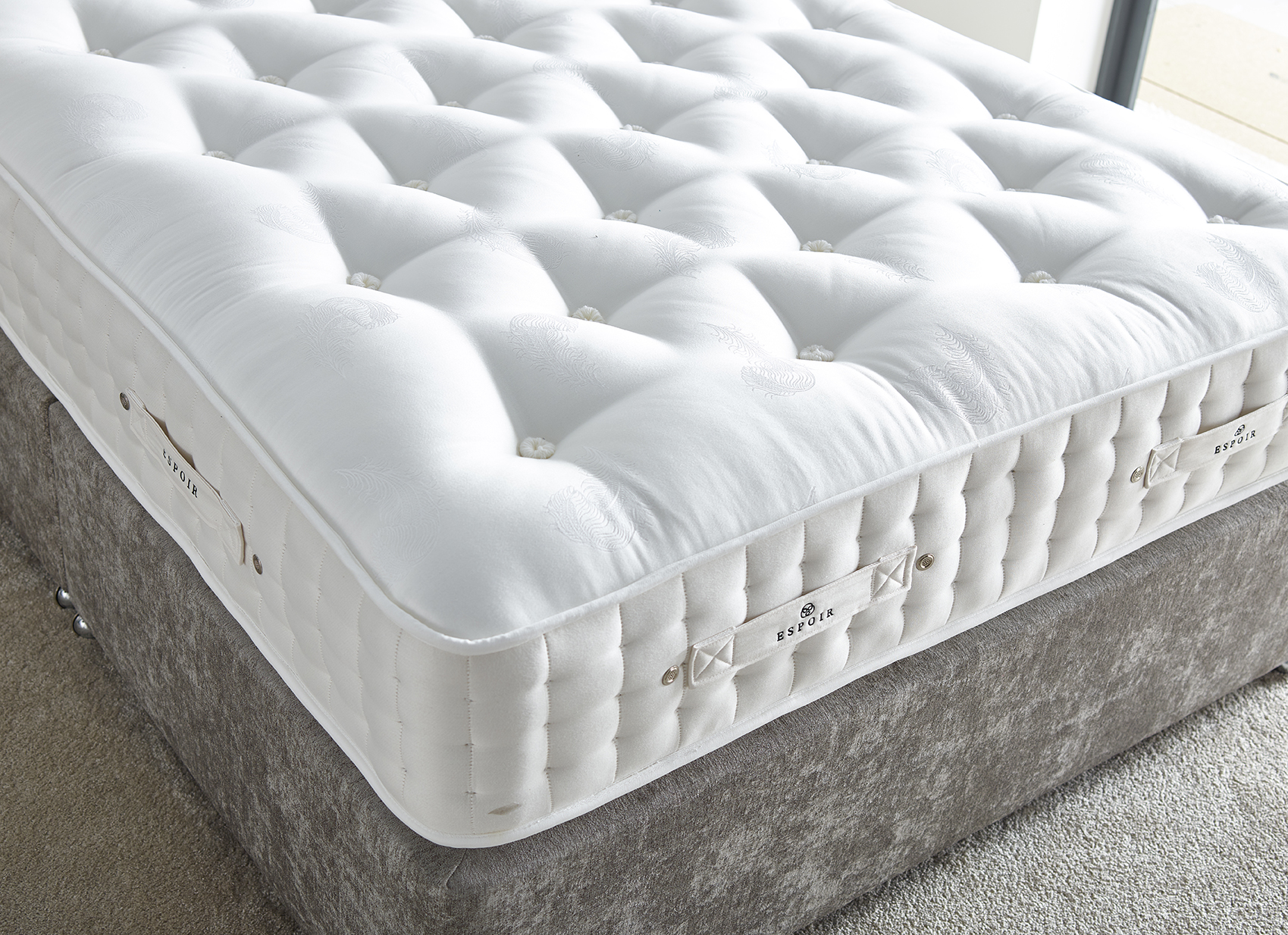
How to Choose the Right Mattress A Practical Guide for Better Sleep
18 March 2026
A good mattress isn’t just a purchase—it’s an investment in your health, comfort, and daily performance. With so many options available, choosing the right one can feel overwhelming. This guide breaks down the key factors to help you find a mattress that truly suits your needs.
1. Understand Your Sleep Style
Your preferred sleeping position plays a huge role in determining the right mattress:
- Side sleepers benefit from softer mattresses that cushion shoulders and hips.
- Back sleepers need medium-firm support to maintain spinal alignment.
- Stomach sleepers usually require firmer surfaces to prevent the hips from sinking too deeply.
If you switch positions during the night, a medium-firm mattress is often a safe middle ground.
2. Choose the Right Mattress Type
Different materials offer different sleep experiences:
- Memory foam: Contours to your body, ideal for pressure relief.
- Innerspring: Traditional feel with more bounce and airflow.
- Hybrid: Combines foam and springs for balanced comfort and support.
- Latex: Naturally responsive and durable, often preferred for eco-conscious buyers.
Each type has its pros and cons, so consider what matters most—comfort, cooling, support, or longevity.
3. Firmness Matters (But It’s Personal)
Firmness is often rated from soft to extra firm, but comfort is subjective. Your weight can also affect how a mattress feels:
- Lighter individuals may prefer softer options.
- Heavier individuals often need firmer support to avoid sinking.
4. Consider Your Body and Health Needs
If you experience back pain, joint issues, or other conditions, your mattress choice becomes even more important:
- Look for good spinal alignment support.
- Pressure relief is crucial for joint pain.
- Zoned support mattresses can provide targeted comfort.
- If needed, consult a healthcare professional for tailored advice.
- 5. Don’t Ignore Temperature Regulation
If you tend to sleep hot, look for features like:
- Breathable materials (latex or innerspring)
- Cooling gel-infused foam
- Moisture-wicking covers
A cooler mattress can significantly improve sleep quality.
6. Check Motion Isolation
If you share your bed, motion isolation is key. Memory foam and hybrid mattresses usually absorb movement better, so you’re less likely to be disturbed by a partner tossing and turning.
7. Set a Realistic Budget
Mattresses come in a wide price range. While it’s tempting to go for the cheapest option, a low-quality mattress may wear out quickly or affect your sleep.
Think long-term:
- A good mattress typically lasts 7–10 years.
- Spending a bit more upfront can save money (and discomfort) later.
8. Test Before You Commit (If You Can)
If shopping in-store:
- Lie down for at least 10–15 minutes.
- Try your usual sleeping position.
- Don’t rush—comfort takes time to evaluate.
Final Thoughts
Choosing the right mattress isn’t about picking the most popular or expensive option—it’s about finding what works for your body and sleep habits. Take your time, do your research, and prioritise comfort and support over trends.
A well-chosen mattress can transform your sleep—and by extension, your entire day.